How To Learn Storytelling: Become a Better Storyteller in 1 Month
One of the first stories I ever wrote was called Sylvester and the Magic Pebble.
Sylvester was—of all things—a Donkey.
The red Magic Pebble—of all things— turns him into a rock.
“And that’s where the trouble begins.” Seven-year-old Tiffani writes in an ominous tone.
I wrote that story in third grade, which was the year I decided that I wanted I wanted to learn storytelling.
Fast forward 27 years, a Creative Writing degree, and a thriving copywriting business later, and I’m still learning how to tell stories.
Storytelling evolves over time (duh). So even if you’ve been at it since you were writing weird stories about Donkey’s turning into rocks, the key is to keep pushing yourself to grow and refine your craft.
Here are 3 ways I keep up my storytelling skills every single year:
How To Learn Storytelling for Beginners: 3 Options For Becoming a Better Storyteller
Heads up, friend! Some of the links in this blog are affiliate links, which means I earn a small commission (at no extra cost to you) if you decide to purchase. I only recommend things I genuinely love, so consider this your curated shopping list. Thanks for supporting this little corner of the internet—Lady Pug and I appreciate you!
Option #1: Read These Storytelling Books
Do you ever read a book and your inner thoughts suddenly change to the voice of the character you’re reading?
Please tell me it’s not just me!
Like if I reread Harry Potter, I’m going to be a little more sassy that week. And if I read something by Frieda McFadden, I’m going to punchy and detailed.
You already know that reading, in general, helps you write better.
That’s just Storytelling 101.
I personally think this works because your brain absorbs the cadence of different writers and you just naturally start writing like the author you’re reading (so if you read from a variety of authors, you’ll create your own blend of unique storytelling because it’ll be a Franken-version of all your fav. authors!)
But just like college didn’t teach me the business of storytelling (a topic for another day), reading books for fun isn’t going to make you fully grasp the idea of how to tell stories.
On Writing: A Memoir of the Craft by Stephen King
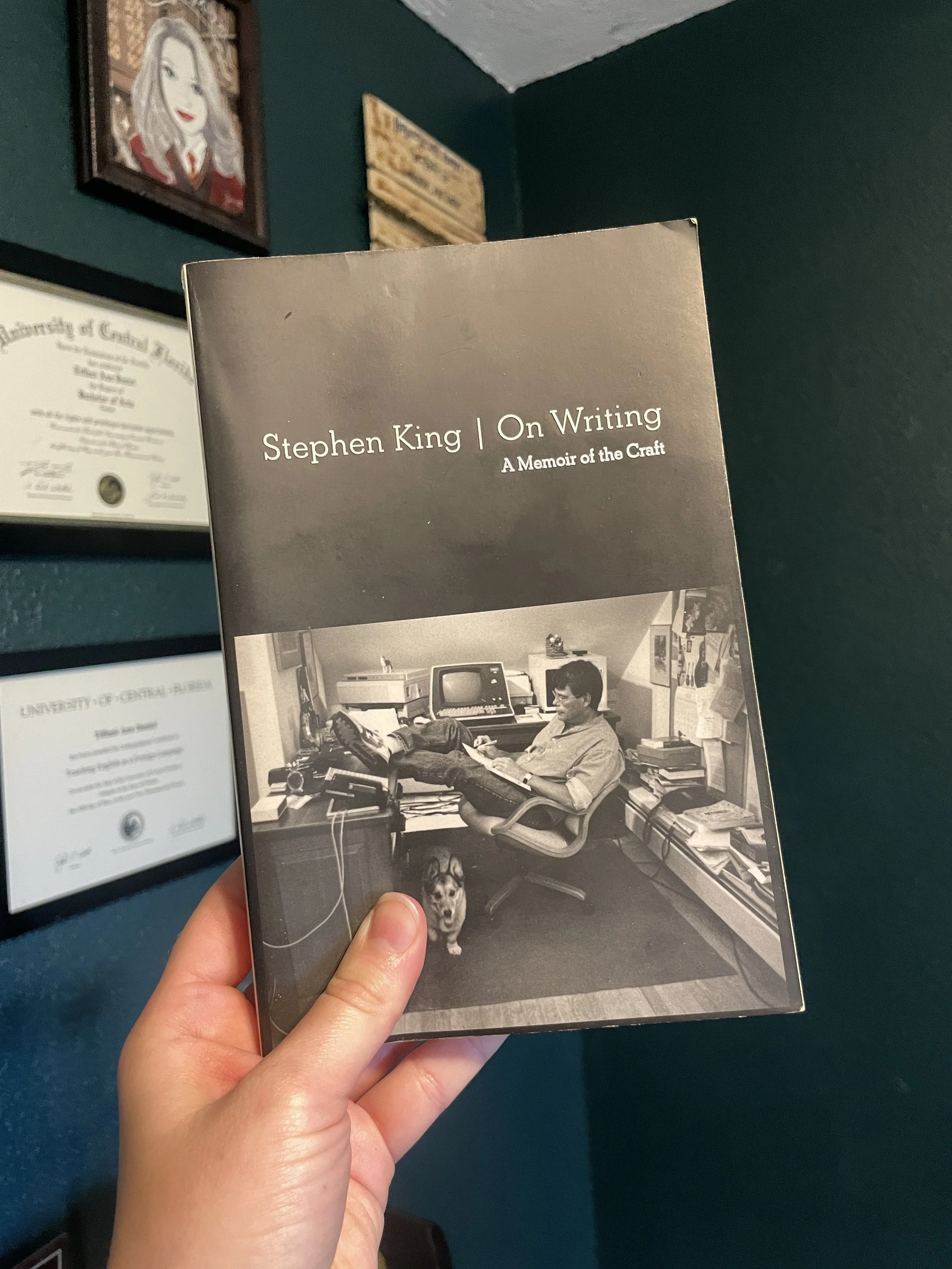
Part memoir, part masterclass, King’s book is like a pep talk from the cool teacher who makes you want to be better.
It’s packed with real-life lessons and storytelling gems that remind you the magic is in the mundane—and discipline is your best writing tool.
This was my biggest takeaway from the book that I still remember 10 years after reading it.
Save the Cat! Writes a Novel
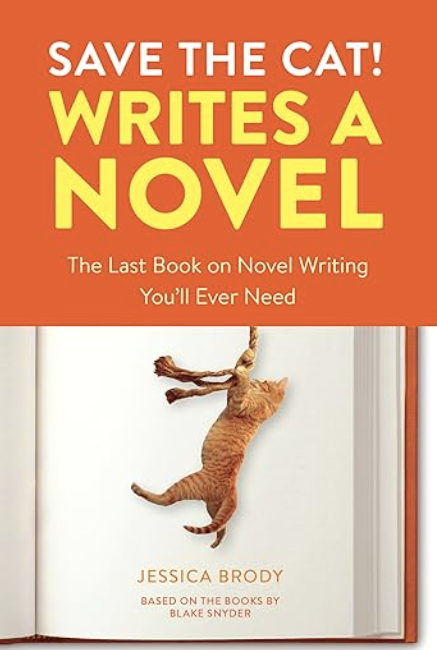
This no-BS guide breaks down storytelling into bite-sized beats, showing you how to craft page-turning plots that readers can’t put down.
Basically— it’s about pacing.
If you’re tired of the “just vibe it” advice, this book is your road map to writing a novel that actually works.
The Artist’s Way
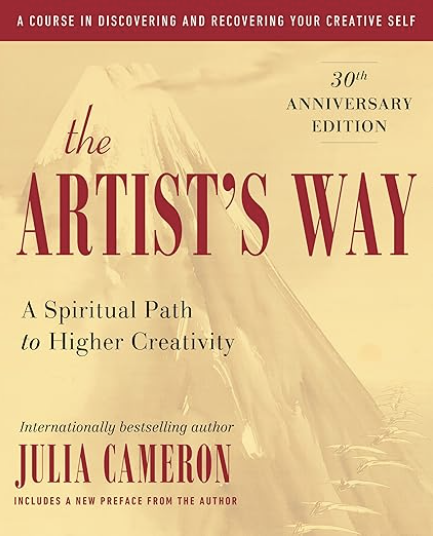
Being a great storyteller isn’t just about pretty words and good pacing.
It’s about knowing yourself and what you want to write about.
Think of The Artist’s Way as a creative reset button for your soul.
Through journaling, self-discovery, and permission to play, it helps you unlock storytelling that’s raw, real, and deeply you.
Honestly, I have a LOT more storytelling book recommendations (and fiction!). Here’s the entire list.
SIDE QUEST! Libby App Review: How I Hit My Reading Goal without Spending Money
Option #2: Study Online Storytellers
Like I said, storytelling evolves over time.
It started with hieroglyphics and campfire stories.
Then, it evolved into books and films.
Today, it’s all about storytelling content.
Even if you want to learn storytelling to write fiction books, it’s worth studying online storytellers so you can understand what people are drawn to.
Our attention spans are shorter, but our quench for drama and details is insatiable.
We crave stories that hook us from the start (god save me from all the freakin’ “hook” content 😂) and keep us engaged—whether it's a TikTok, an Instagram post, or the plot of a new novel.
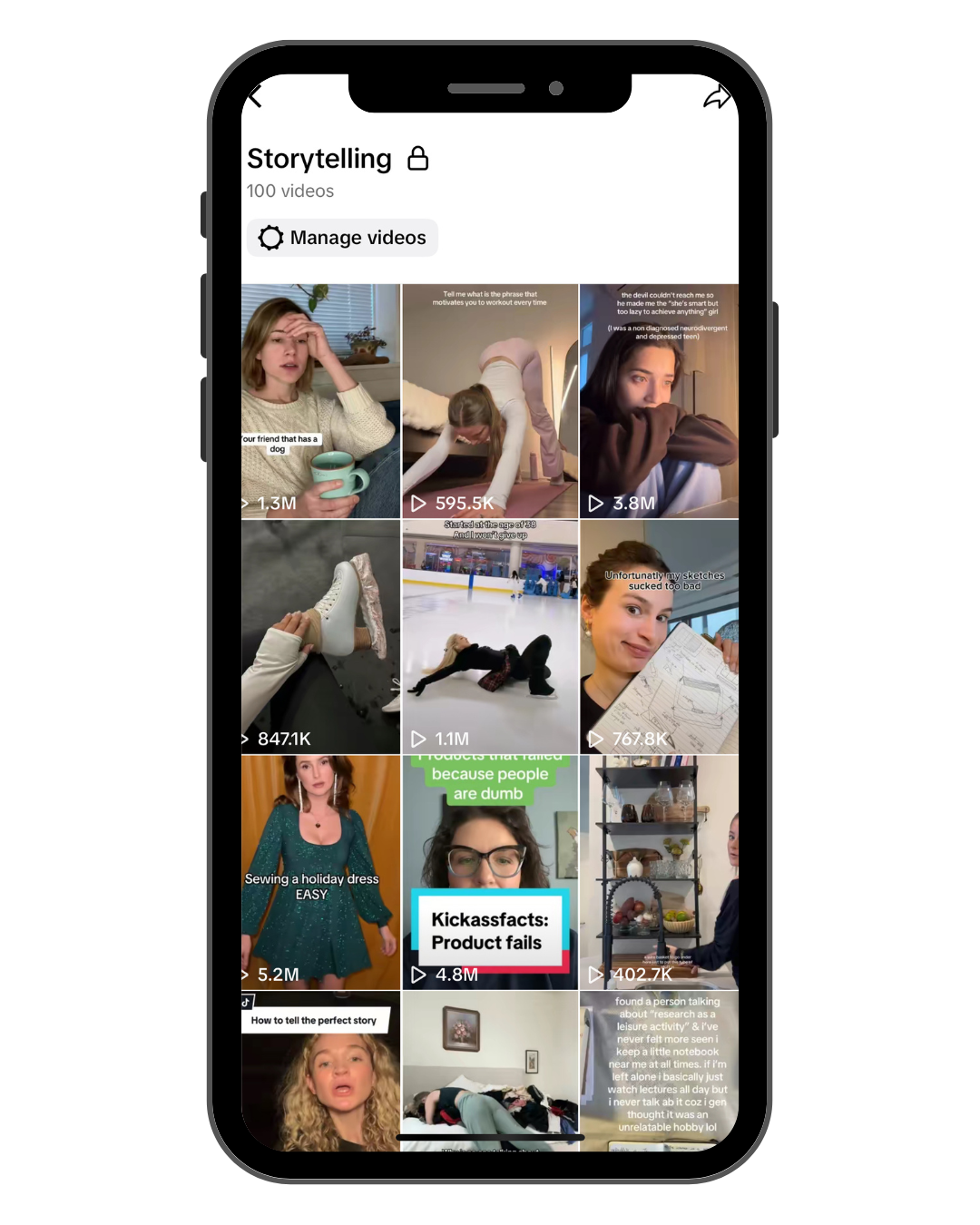
I personally keep a folder on TikTok that I have labeled “Storytelling”
Option #3: The Most Annoying Option
When I was 10 years old and didn’t want to go to soccer practice, my mom would hit me with,
“pRaCtiCe mAkEs PeRfEct”
Ho-kay. 🙄
But like most adults who grew up with an intelligent mother, I’ve now realized…
She was right. (double 🙄🙄)
If you want to learn how to tell stories— whether it’s fiction writing, content writing, or copywriting— you’ll get better the more you write.
It really is that simple.
BUT! But but but…
I WILL say that practicing combined with studying and reading will make you the best storyteller you can be.
OK, but here’s the other thing.
I know it can be really really hard for some people to tell stories.
Maybe it’s because you don’t know what details to include or how to make it sound pretty.
Or maybe it’s because you don’t :
Know how to start with storytelling.
Think your life is exciting enough.
Like being vulnerable.
Talking to a camera.
Understand story frameworks and need more examples.
What a coinkydink because that’s ALMOST EXACTLY what I cover in my FREE 5-day challenge:
You know, in case you want to practice.
Spoiler alert! You also get 14 storytelling prompts. Just because.
Learn How To Tell Stories with Tell Your Story Subscription!
There are so many small facets of storytelling to practice.
There’s the hook for the introduction and getting that just right.
There’s “relatable” and “authentic” storytelling (whatever that means).
There’s learning how to paint a picture with your words, which involves learning how to write similes and personification and bathos.
There’s the skill of writing hyper-specific details that make your stories flow better, like knowing how to easily swap out adjectives/adverbs and filler words such as like, really, and a lot.
It’s the details of the story and the pacing that makes it stick.
If you want to become a better storyteller, Tell Your Story Subscription goes beyond simple hooks and storytelling structure. You’ll get 3 prompts every month focused on deepening your skills.
And it’s affordable (because… struggling artists and all that).